

TRAVEL DAIRES IN NEPAL
Why Travel Diary Nepal?
Travel Diary Nepal is a youthful and energetic, yet experienced tour and trekking company based in Kathmandu, Nepal. With treks and tours in Nepal, Tibet, and Bhutan, we will help design the perfect package for you. We take care of all your travel needs, including international and domestic flight tickets, ground transportation, accommodations, etc.
ACTIVITIES
Explore the wide array of experiences provided by our team, designed to cater to your diverse interests and needs.
- MANASULU

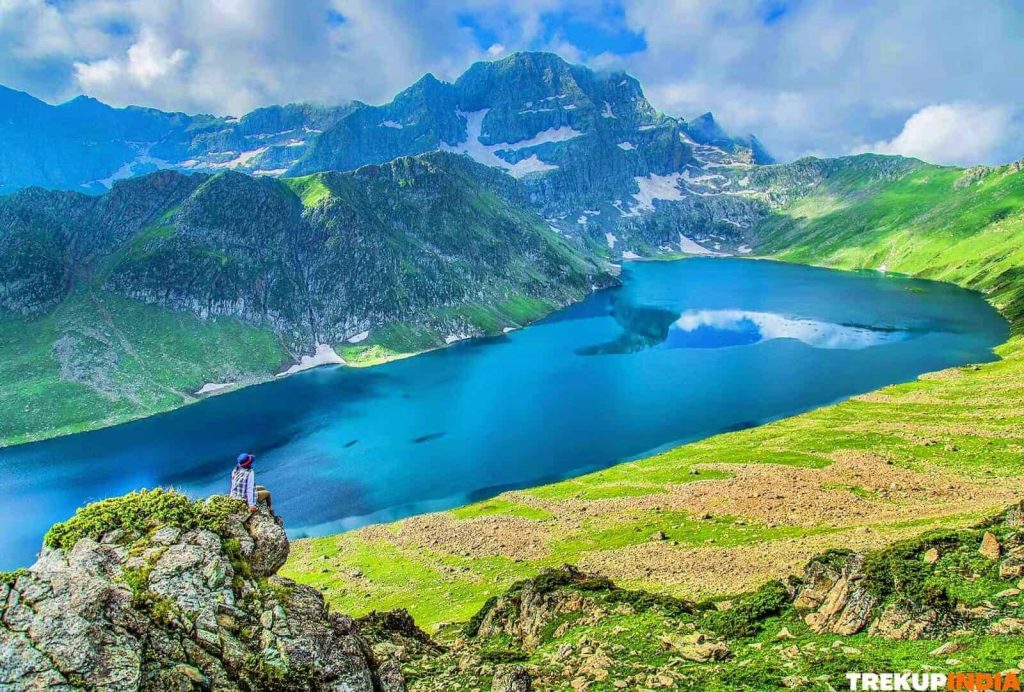
My spirit and strength had been taxed to its limit by the rigours of this difficult trek around Manaslu. Our ultimate objective the Larkya La pass (5160m) was within sight but still seemed like a world away. I slumped down on the snow exhausted beyond measure. My BFF Praveen urged me on like a crazed cowherd, his words of Go Mayo Go and Lal Sitara Zindabad invoking the gods of all our childhood, resonating in my ears but making no sense. I closed my eyes to shut it all out. Was this the end?
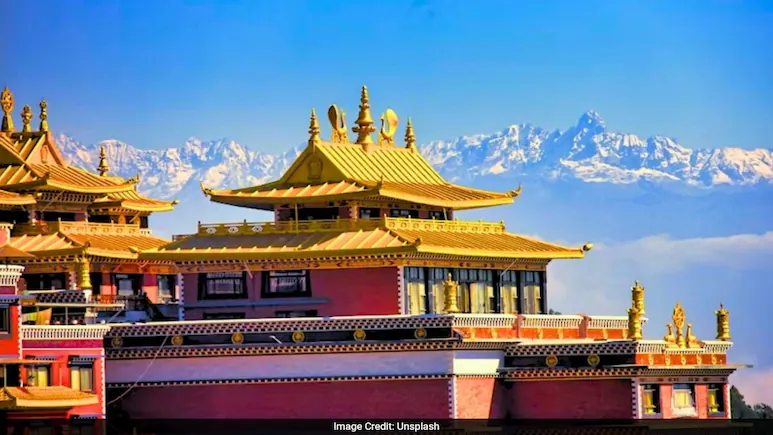
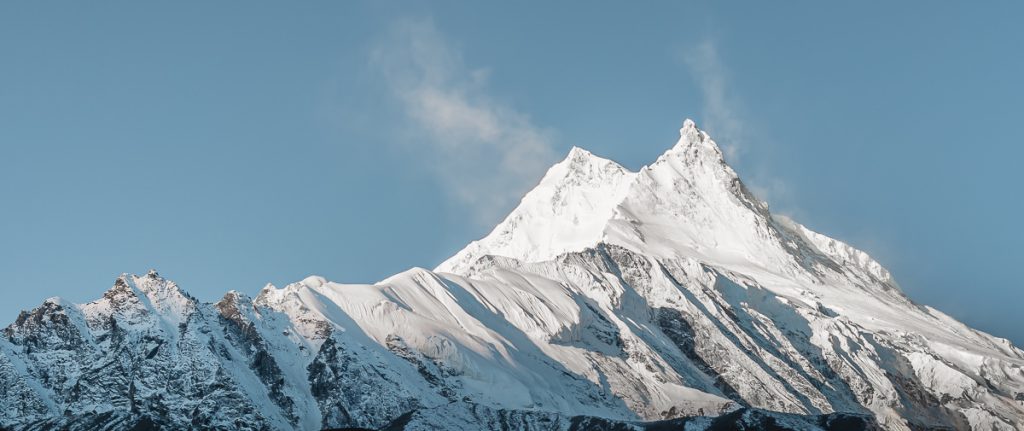
Manaslu, the “mountain of the spirit”, was the eighth highest mountain in the world at 8163m. The name comes from the Sanskrit word manasa which means intellect or soul. I had been captured by the idea of circumnavigating this great mountain – the route had become increasingly popular after the degrading of the well-known Annapurna circuit because of the broken hill road that now worked its way up to Dharapani
The Circuit of Manaslu – Taking It to the Limit
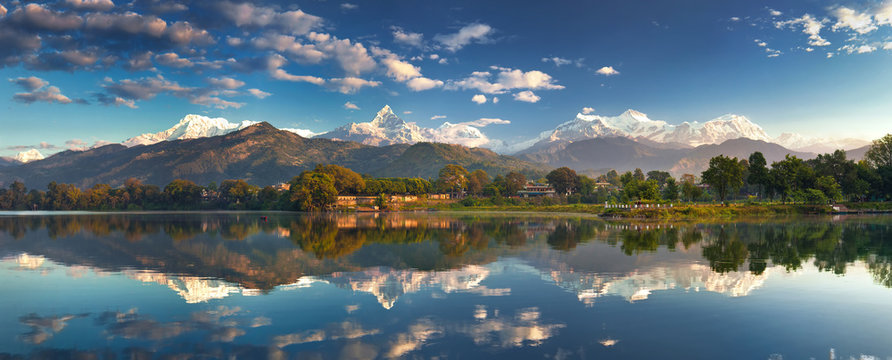
itThat morning we had left at 5 am from Dharamsala (4460m), the last frontier stop before the pass. While appropriate in its translation as a “rest house for pilgrims” in reality it was an awful dump huddling at the edge of the windswept moraine with untiled floors, broken toilets and inedible food. We were glad to leave it behind as we pushed up the moraine under the lightening sky. All around were the crystal peaks soaring up into the pristine blue vault of heaven. The weather gods were smiling down on us, giving us clear passage over the Larkya La.But I couldn’t bring my thoughts to focus on the icy beauty around us. The numbing chill se
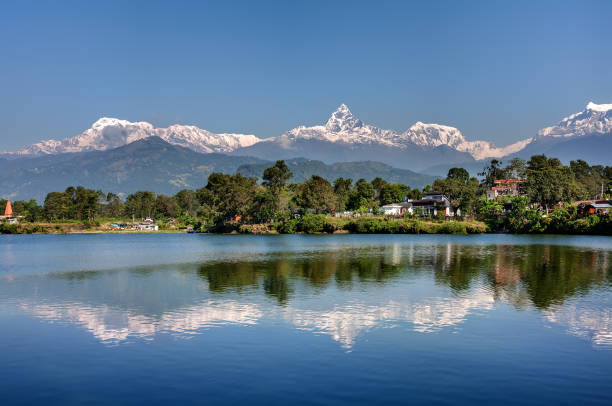
MANASLU CIRCUIT TREK ITINERARY
Below is an overview of the Manaslu Circuit trek itinerary. This is not set in stone, just a suggested route. Some people stay in alternative villages along the way, or add an extra acclimatisation day at Samdo. Trekking distances and times are approximate.
| DAY 1 | Machhakhola (869m) → Jagat (1340m | 19 km / 7 hours |
| DAY 2 | Dyang (1860m) → Namrung (2630m) | Pungen Gompa – 14 km / 5 hours return |
| DAY 3 | Samagaun (3520m) → Samdo (3690m) | 18 km / 7 hours |
| DAY 4 | Dharamsala/Larke Phedi (4460m) → Larke Pass (5106m) → Bimthang (3720m) | 8 km / 3 hours |
| DAY 5 | Bimthang (3720m) → Tilche (2260m) | 5 km / 2 hours |
MANASLU CIRCUIT TREK MAP
WHEN TO TREK THE MANASLU CIRCUIT
Autumn/Fall
The best time to go trekking in Nepal is from September to November. The weather is generally dry and clear, with warm sunny days and excellent visibility. There’s a lower likelihood of weather related natural disasters at this time of year, making for a much safer trekking environment. The downside as far as the Manaslu Trek goes? The Manaslu Restricted Area Permit (RAP) is $100 per week during this period as opposed to $75 per week at all other times. Furthermore, given that it’s the best season, it’s also the busiest. Saying that, we hiked the Manaslu Circuit in October, had a great time, and still found it to be much less busy than other treks in Nepal.
Spring
The spring season from March to May is considered to be the next best option. The weather is generally clear although a little colder, particularly at higher altitudes. Mornings are sunny and flowers are in bloom. There is however a higher chance of rain, or even snow, and melting ice increases the chances of landslides or avalanches – something we experienced trekking to Annapurna Base Camp in April.
Summer
June to August is to be avoided. The monsoon is responsible for warm and wet weather, with cloud and mist making visibility extremely poor. We can testify to this. Our very first trek in Nepal was in June and we hardly saw a mountain. Leeches are a big problem at this time of year, as is the risk of landslides. As the Manaslu Region was one of the worst affected by the 2015 earthquake, there are many landslide areas – these can be more dangerous in wet weather.
Winter
In the winter, from December to February, temperatures in higher altitudes plunge. Snow and ice make this time of year unsuitable for the Manaslu Circuit Trek
We partnered with Himalayan Masters for our Langtang Valley
The whole Manaslu Circuit Trek can be done in 13 days. That includes 2 travel days getting to and from the trail. However, some itineraries suggest longer, including an extra acclimatisation day at Samdo and/or continuing to walk from Dharapani rather than taking transport.
TREK DIFFICULTY
So how difficult is the Manaslu Circuit Trek?
We’ve seen this trek described as hard, strenuous and moderately difficult to name but a few. Which doesn’t really tell you a lot. However, there are some things we can say with certainty.
The Trail
As far as the trail itself goes, the paths are mostly in good condition. No technical skills are required so the act of walking is pretty straightforward. There are a few exceptions where things can get a little tricky, such as when the trail detours around landslides. The ground in these areas can be a bit less firm and a bit more slippery, so extra care is needed here.
The Effort
Over the course of the trek, you ascend in altitude from 700 m to 5106 m. This takes a considerable physical effort, and what’s more, it’s not all up, up, up. Much of the route, particularly in the early days, involves plenty of up and down – descending to cross the river, ascending again, then repeating the process further along the trail.
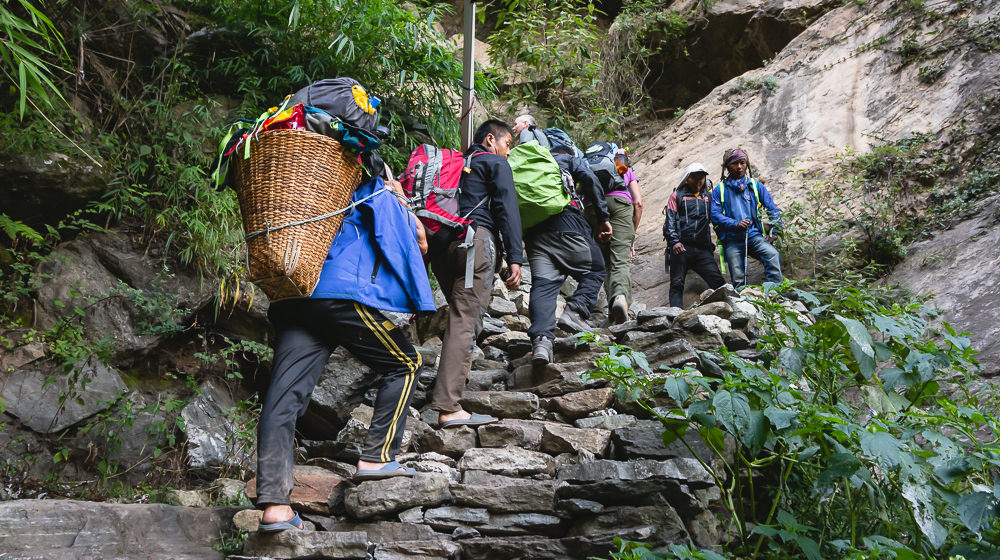
So given the physical effort required, it clearly helps to be as fit as possible. Saying that, you don’t have to be an athlete, far from it. People of all ages and levels of fitness complete the Manaslu Circuit Trek. The key point to remember is to hike at your own pace.
How Much Weight Will You Carry?
Aside from your physical fitness, this is the most important factor in determining how difficult the trek will be.
If you choose to carry all your own gear, clearly it will be more challenging. To make things easier for yourself, think carefully about what you need to take, and try to make your gear as lightweight as possible.
If you choose to hike with a porter as well as a guide, then the difficulty level becomes much easier. Carrying only a small daypack with a few essentials means the trek can be tackled by anyone with a moderate level of fitness.